Seven compounds, one question: does it actually work?
Evidence Compendium · Immune Support · Herbal Extracts & Micronutrients
Curcumin, quercetin, zinc, vitamin C, echinacea, elderberry, and selenium go through more clinical trials than any supplement label reveals. This compendium organizes what the literature actually supports — and where it only supports the packaging.
Evidence scale used in this compendium: Plausible mechanism → In vitro/animal study → Small clinical trial → Consistent meta-analysis
Almost every “immune support” supplement sold today combines some fraction of these seven ingredients. Each one does have a real, studied biological mechanism. What rarely appears on the label is the distance between that mechanism and a measurable clinical benefit in healthy people.
A pattern repeats across the seven entries below: the effect, when it exists, is almost never about preventing illness — it’s about modestly reducing the duration or severity of something that’s already started. And even that smaller effect usually depends on a dose, form, or timing far more specific than “two capsules a day.”
How to read this: each entry presents the central finding from systematic reviews or meta-analyses — not isolated, promotional, or unpublished studies. This is not dosage guidance, a diagnosis, or a substitute for medical advice.
01 — Curcumin
the problem isn’t the effect — it’s getting into the body
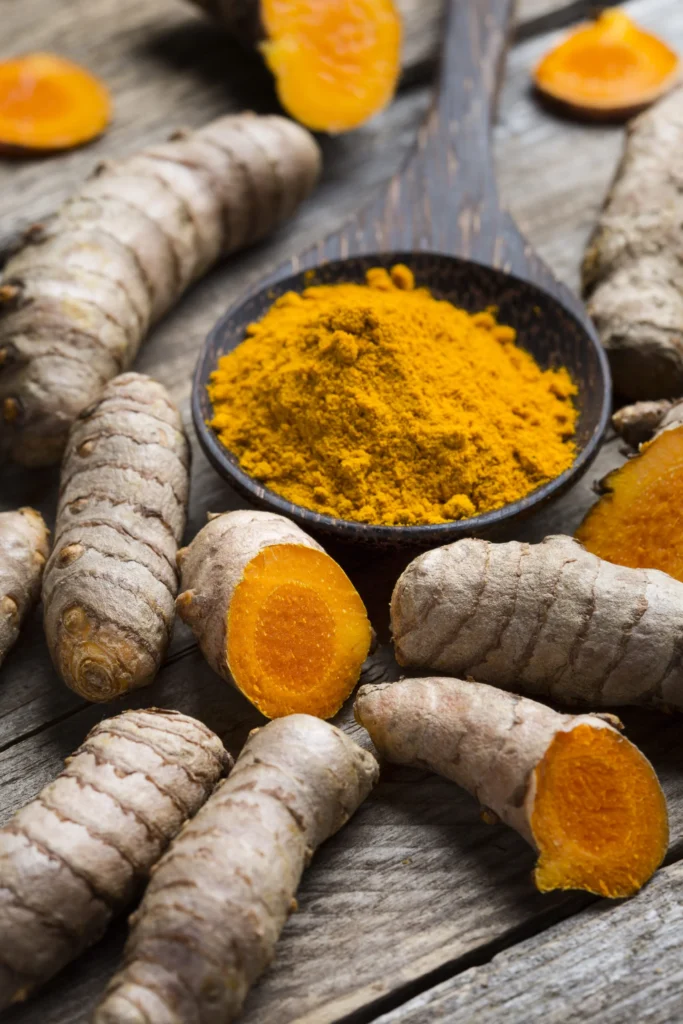
In lab and animal models, curcumin has well-documented anti-inflammatory and antioxidant effects. The obstacle is pharmacokinetic: curcumin is poorly absorbed and rapidly metabolized — even a dose of 12 grams per day resulted in low serum levels in one study. That’s why nearly every supplement pairs it with piperine (black pepper extract), which can increase bioavailability by up to 2000% in humans.
Central finding: even with piperine, a 2024 in vitro study found reduced permeability for the curcumin-piperine combination versus raw turmeric — the absorption question is still unsettled.
Positive clinical evidence is concentrated in specific conditions (arthritis, metabolic syndrome) — not general “immune support” in healthy people.
| Prevents illness | Not tested |
| Reduces inflammation | Conditional |
| Requires adjuvant | Yes (piperine) |
02 — Quercetin
a lab partner, not a solo act
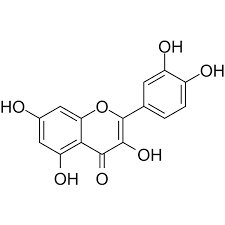
A flavonoid in onions and apples with antioxidant/anti-inflammatory activity in preclinical studies, and real synergy with curcumin in arthritis models. Like curcumin, it has low oral bioavailability. No robust evidence that it reduces infections on its own in healthy people.
| Standalone benefit | Not supported |
| Synergy with curcumin | In models |
| Bioavailability | Low |
03 — Zinc
the one robust clinical case on this list — with fine print
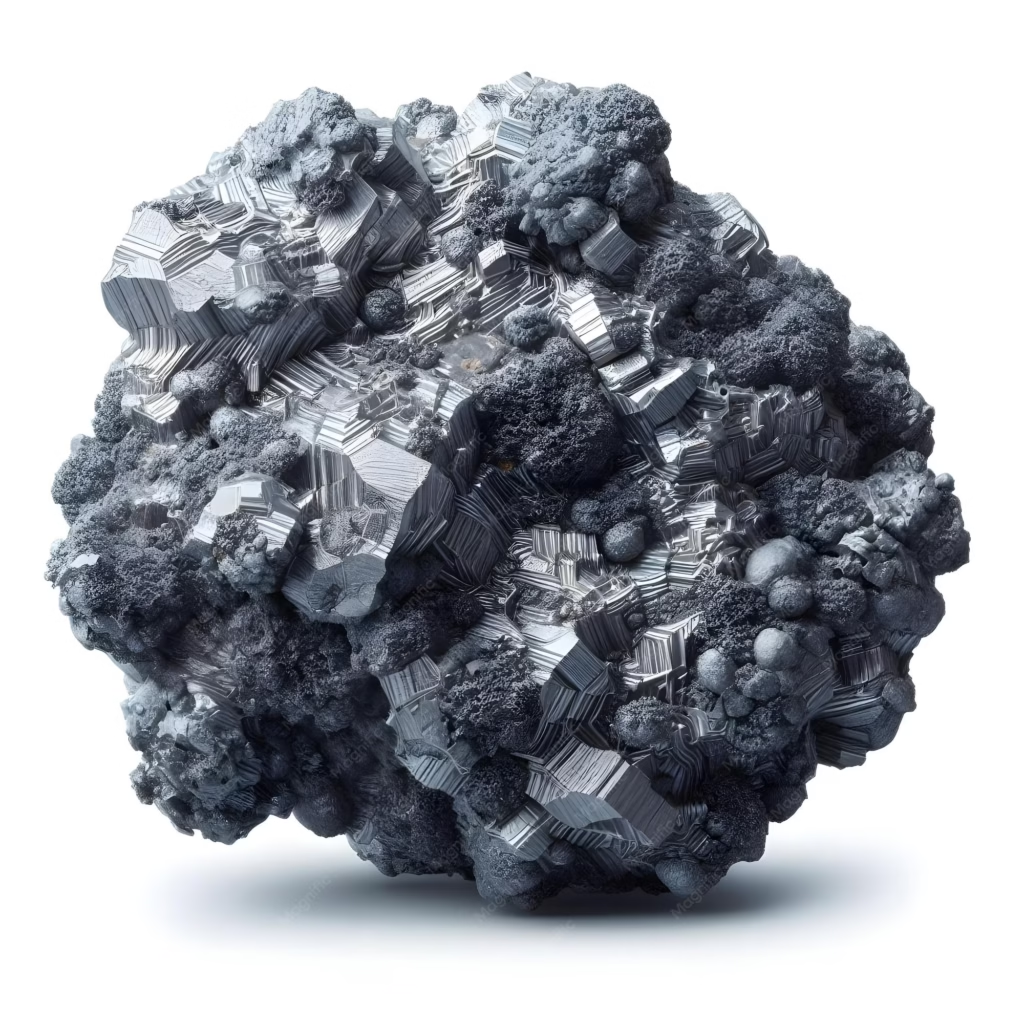
The only compound with a solid body of randomized trials on the common cold. A 2024 Cochrane review found little to no preventive effect, but a possible reduction in cold duration.
The detail that changes everything: the most consistent results (30–35% shorter duration) came from zinc acetate lozenges at 80–92 mg/day — far above the 25 mg typical in multi-ingredient capsules, with part of the effect likely local (in the throat), not systemic.
04 — Vitamin C
the most studied myth in modern nutrition
| Prevents colds | Little/no effect |
| Reduces duration | Yes, at high dose |
| Form tested | Lozenge, 80–92mg |
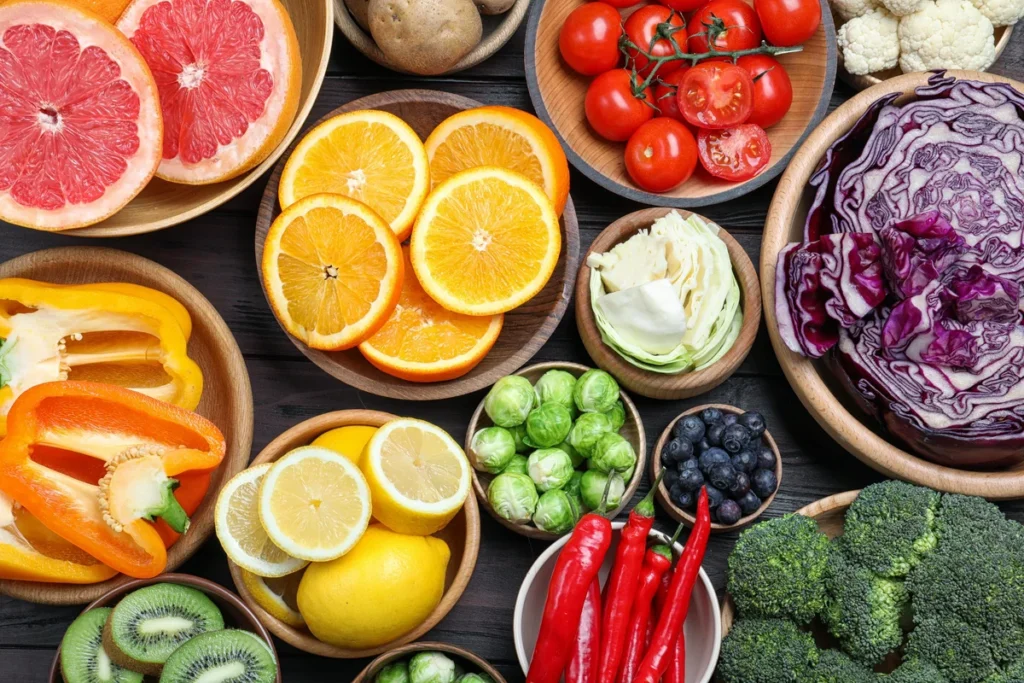
Decades of trials (29 comparisons, 11,000+ participants) show regular intake does not reduce cold incidence in the general population — except in people under extreme short-term physical stress (marathoners, skiers, soldiers in subarctic training), where risk was cut nearly in half.
On duration/severity: a modest reduction in duration and ~15% in severity, at ≥1g/day — but only with prior regular use, not starting after symptoms appear.
| Prevents colds | No, except extreme stress |
| Reduces severity | ~15%, regular use |
| Started after symptoms | No effect shown |
05 — Echinacea
the evidence splits the reviewers themselves
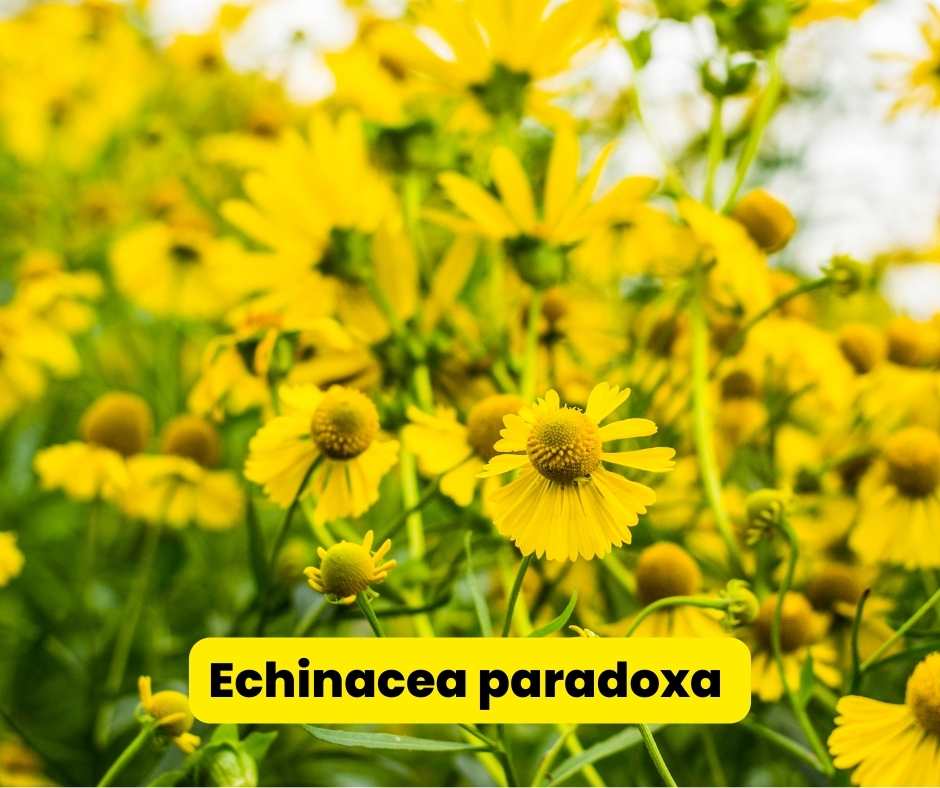
Cochrane’s review of 24 trials (4,631 participants) found weak overall evidence for clinically relevant effects. A different meta-analysis, pooling different preparations and trial types, reached more favorable conclusions. The result depends heavily on which studies get combined — “echinacea” can mean pharmacologically distinct preparations.
| Scientific consensus | Split |
| Treatment effect | Possible, weak |
| Depends on preparation | Yes, heavily |
06 — Elderberry
promising — but the key word is “uncertain”
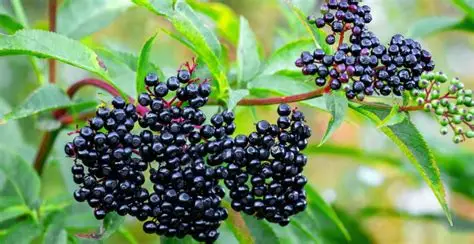
A GRADE-methodology systematic review: elderberry may not reduce cold risk; may reduce duration/severity, but evidence is uncertain — based on only five qualifying trials. No evidence supports its use for COVID-19, despite marketing claims during the pandemic.
| Prevents colds | Probably not |
| Reduces duration/severity | Uncertain |
| Evidence base | 5 trials |
07 — Selenium
where “more” isn’t better
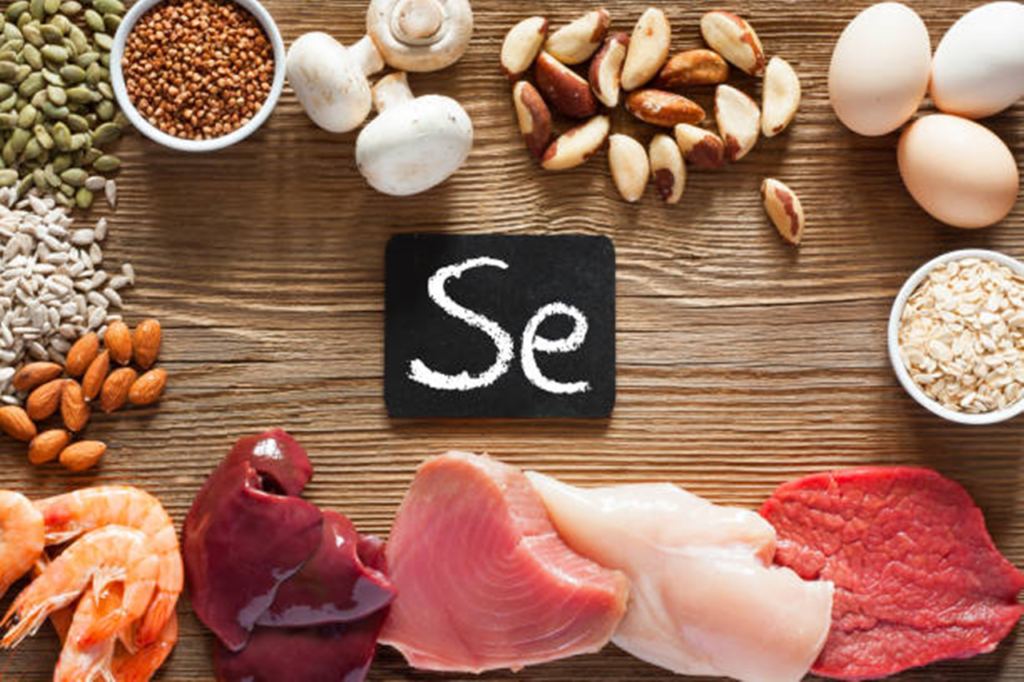
A 2022 meta-analysis found an inconsistent picture — including null and harmful effects — and concluded there’s no support for supplementing beyond recommended intake. The relationship follows a U-shaped curve: benefits plateau, and excess can be harmful. Selenium matters mainly in documented deficiency, not as routine “just in case” supplementation.
| Benefit without deficiency | Not supported |
| Dose-response relationship | U-shaped curve |
| Relevant if | Real deficiency |
The full picture
| Compound | Prevents illness | Reduces duration/severity | Condition required |
|---|---|---|---|
| Curcumin | not tested | conditional | Requires piperine or absorption adjuvant |
| Quercetin | not tested | in synergy | Same bioavailability limitation |
| Zinc | little/no effect | yes — most robust | Lozenge, 80–92mg/day, early start |
| Vitamin C | no, except extreme stress | modest, prior regular use | ≥1g/day, regularly, before onset |
| Echinacea | weak, contested | varies between reviews | Highly preparation-dependent |
| Elderberry | probably not | uncertain | Started within 48h of symptoms |
| Selenium | no, without deficiency | no benefit above adequate intake | Only relevant with real deficiency |
All ingredients combined into a single supplement: Vital Force
None of them is a fraud. None is a miracle.
All seven compounds have a plausible biological mechanism and some real clinical support — that’s not the same as saying they work the way they’re usually sold. In no case does the evidence support a daily supplement that “boosts immunity” and prevents illness in healthy people without a deficiency.